 Skip to content

Italy’s magnetic charm is undeniable. Known for world-class cuisine, Renaissance art, and Mediterranean coastlines, the country continues to attract expats, retirees, and remote workers from around the world. From slow mornings with espresso to a strong sense of community, the pros and cons of living in Italy often come down to lifestyle versus practicality.
Living in Italy, however, is very different from visiting on vacation. Daily life includes navigating paperwork, understanding local systems, and adapting to regional differences in jobs, salaries, and costs. What feels romantic at first can sometimes become frustrating without the right expectations and preparation.
This guide offers a clear and realistic look at life in Italy in 2025. It breaks down the advantages, such as culture, climate, and quality of life, alongside the challenges, like bureaucracy, affordability, and employment prospects.
Thinking about moving long-term? This breakdown helps expats, digital nomads, and retirees decide whether Italy truly fits their plans beyond the postcard moments.
Table of Contents
The Top 5 Pros of Living in Italy
When weighing the pros and cons of living in Italy, it helps to start with what draws so many expats to the country in the first place. These advantages shape daily life and explain why Italy remains such a popular long-term destination.
1. World-Class Lifestyle & Culture
Few countries can match Italy’s combination of cultural depth, scenic diversity, and relaxed rhythm of life. From ancient Roman ruins and Renaissance art to Alpine lakes and coastal villages, Italy offers daily access to history and beauty. The Italian lifestyle prioritizes connection.
Whether you’re lingering over a meal with friends, strolling through local markets, or celebrating one of the many regional festivals. For many expats, this sense of community and slower pace is one of the country’s greatest luxuries.
2. Affordable Cost of Living (Outside Major Cities)
While Milan and Rome come with higher price tags, much of Italy remains very affordable. Smaller cities and rural areas offer:
- One-bedroom apartments for around €350 to €700 per month
- Lower grocery, utility, and transportation costs
- A comfortable lifestyle on a modest budget
For anyone comparing the pros and cons of living in Italy, these lower costs often make a significant difference, especially for retirees and remote workers.
3. Quality & Affordable Healthcare
Italy’s public healthcare system, the Servizio Sanitario Nazionale (SSN), is consistently ranked among the best in Europe. Legal residents have access to comprehensive care, often at little to no cost beyond small co-payments.
Many expats choose to complement public coverage with private health insurance, which remains affordable. Typically between €40 and €120 per month, it offers faster access to specialists and private clinics.
4. Tax Incentives for New Residents
Another factor often mentioned when discussing the pros and cons of living in Italy is the availability of tax incentives for new residents. These include:
- A flat 7 percent tax on foreign income for retirees in certain southern regions
- Incentives for individuals transferring their tax residency to Italy
When applied correctly, these regimes can make a real financial difference.
5. Unbeatable Cuisine & Produce
Italy’s culinary reputation speaks for itself. Beyond world-famous dishes, residents enjoy year-round access to fresh, regional produce at local markets. Whether dining out or cooking at home, food in Italy is both healthy and affordable, reflecting a culture that values quality ingredients and mealtime as a cornerstone of daily life. Eating well is not a luxury in Italy. It’s a way of life.
From lifestyle and food to healthcare and tax perks, Italy delivers exceptional value for those who adapt to its pace. Yet, as every expat learns, paradise comes with its own set of trade-offs.
Interested in making the move? Speak with one of our trusted Immigration Lawyers to help determine the best path forward to make your relocation a reality.
The Top 5 Cons (Challenges) of Living in Italy

When evaluating the pros and cons of living in Italy, it is just as important to understand the challenges as it is to appreciate the lifestyle. While Italy offers exceptional quality of life, daily realities can surprise new residents without proper preparation.
Below are the most common drawbacks expats experience after making the move.
1. Bureaucracy and Administrative Pace
2. The Job Market & Wages
Italy’s job market can be difficult for foreigners, particularly without strong Italian language skills or highly specialized experience. In many industries, salaries are lower than in Northern Europe or North America.
For those focused on career growth, this can be a major downside when weighing the pros and cons of living in Italy. Remote workers and retirees, however, are largely insulated from this challenge.
3. Language Barrier
4. High Cost of Living in Major Cities
In general, Italy is affordable, but the major cities tell a different story. Milan, Rome, and Florence rank among Europe’s pricier urban centers. Rental prices in these cities can consume over 40% of a local income. They do offer strong cultural and professional opportunities, but living comfortably often requires a higher budget or compromises on space and location.
5. Inconsistent Infrastructure & Public Services
Infrastructure quality in Italy varies greatly by region. Major cities boast reliable public transport and modern amenities. It’s a very different experience for those living in southern areas, who can face poor internet connectivity, limited public transportation, and slower postal or municipal services. This inconsistency can be frustrating for digital nomads or those relying on dependable infrastructure for remote work.
Italy’s challenges can frustrate even the most patient expat. Yet, for many, these hurdles are a small price to pay for the country’s beauty, community, and way of life. With realistic expectations and proper planning, the rewards of living in Italy often outweigh the difficulties.
Cost of Living Breakdown by City (2025)
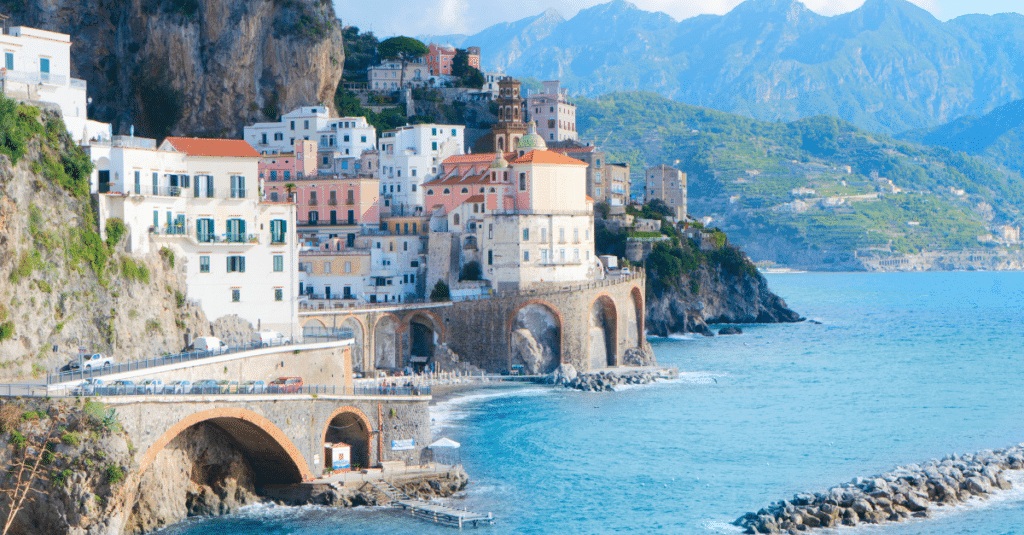
The cost of living in Italy varies dramatically between the urban north and the rural south, with Milan and Rome at the top end and smaller regional cities offering excellent value for money. Below is a realistic 2025 breakdown to help you compare living standards across Italy.
| City | Rent (T1, City Centre) | Utilities (85m², Monthly) | Single Person Budget (W/O Rent) |
| Milan (High) | €1,370 – €1,800 | ~€225 | €850 – €1,000 |
| Rome (High) | €1,100 – €1,300 | ~€205 | €800 – €950 |
| Turin (Mid-Range) | €696 – €950 | ~€201 | €700 – €850 |
| Naples (South/Lower) | €767 | ~€181 | €650 – €800 |
| Lecce / Terni (Low) | €350 – €550 | ~€150 | €600 – €750 |
Milan is not only Italy’s economic and fashion capital, but it is also the most expensive city to live in. Between high rental prices, transport costs, and lifestyle spending, expats can expect Milan to rival many Northern European cities in monthly expenses.
Rome is slightly cheaper, but remains costly due to housing demand in the historic center. The upside is the abundance of cultural amenities, dining, and professional opportunities.
Further south, Naples provides lively, authentic Italian living at a much lower cost. You will notice that infrastructure can be less consistent here.
Finally, smaller southern cities like Lecce or Terni offer remarkable affordability for retirees or remote workers seeking a slower pace of life.
Overall, a comfortable single-person budget, including rent in a major city, ranges between €1,400 and €2,000 per month. Those who choose smaller towns or southern regions can often live well for less than €1,200 all in, making Italy a flexible destination that caters to both modest and higher-end lifestyles.
Retiring in Italy: Why the Pros Outweigh the Cons

When it comes to the pros and cons of retiring in Italy, the balance leans in favor of retirees who can rely on stable, foreign-based income. Italy’s charm aligns perfectly with the priorities of those entering retirement.
Passive Income is Key
The Italian Elective Residence Visa (ERV) is specifically designed for retirees and financially independent individuals. To qualify, applicants must demonstrate a passive income of at least €31,000 per year from sources like pensions, investments, or rental income. This requirement naturally excludes the need to compete in Italy’s challenging job market, allowing retirees to focus entirely on lifestyle rather than employment concerns.
Financial Benefits
For retirees, the numbers work in Italy’s favor. The cost of living in Italy (particularly outside high-cost cities like Rome or Milan) remains highly affordable compared to the U.S., U.K., or Germany. One-bedroom apartments in smaller towns are often available for under €600. Everyday expenses are manageable, making it easy to maintain a comfortable standard of living.
Moreover, Italy offers attractive tax incentives for foreign retirees. Those who move to specific southern regions can benefit from a flat 7% tax on foreign income for up to 10 years, a policy designed to encourage relocation to less-populated areas.
For those planning to retire or relocate to Italy, it’s essential to understand the visa options, income requirements, and local regulations before making the move.
Need help relocating to Italy?
Italy offers an incredible quality of life and a level of cultural immersion that few countries can match. From its world-class cuisine and timeless architecture to its relaxed rhythm of daily life, the rewards of living in Italy are undeniable.
Long-term success in Italy depends on more than just living the Italian dream. Expats must prepare for the bureaucracy, understand the practicalities of residence and taxation, and choose a location that fits their budget and lifestyle.
If you’re planning your move to Italy for work, retirement, or lifestyle, Lexidy can help you navigate the legal and residency process smoothly. Fill out the form below today to connect with our English-speaking immigration lawyers and take the first steps towards your new life in Italy with confidence.