 Skip to content

France continues to attract expats from around the world, and understanding the pros and cons of living in France is often the first step before making the move. The country offers rich culture, exceptional cuisine, and a lifestyle built around balance and quality of life. Universal healthcare, strong worker protections, and generous social benefits make France especially appealing for those planning a long-term relocation.
But what does daily life really look like? Beyond the postcard image, expats often face higher living costs in major cities, slow administrative processes, and language barriers that can complicate simple tasks. These realities shape the experience just as much as the lifestyle benefits.
This guide breaks down the real pros and cons of living in France using recent expat insights and 2026 data. The goal is clear. Help readers understand what to expect, avoid surprises, and decide whether France fits their long-term plans.
(Article Updated February 2026)
Table of Contents
What Is Life in France Really Like for Expats?
When considering France, a slower pace of life, strong social systems, and a clear separation between work and personal time typically come to mind. Exploring the pros and cons of living in France helps reveal how this lifestyle truly functions day to day. The French tend to prioritize long lunches, paid leave, and access to public services that support long-term stability rather than short-term convenience. For many expats, this shift is the biggest adjustment.
That said, expats living in France quickly learn that quality of life comes with trade-offs. Administrative processes move slowly, rules are structured, and integration takes effort, especially without French language skills. While major cities feel international, much of daily life still operates in French-first systems.
From a global perspective, France remains highly attractive. Around 320,000 Americans currently live in France, drawn by healthcare, safety, and lifestyle. France ranks #33 in the World Happiness Report in 2026 and has a life expectancy of about 83 years, one of the highest worldwide. These indicators help explain why many expats choose to stay long term despite the challenges.
Living in France as an American: What Makes It Different

The clearest shift appears in healthcare. France runs a public universal system with optional private top-ups, unlike the US model tied to employment and private insurance. Work culture also feels very different. The legally enforced 35-hour work week, long lunch breaks, and protected vacation time reshape expectations around productivity and availability.
| Aspect | USA | France |
| Work hours/week | 40–50 | 35 (legally enforced) |
| Minimum vacation days | 10–15 | 25–30 |
| Healthcare system | Private insurance | Public universal |
| Parental leave | 12 weeks unpaid | 16 weeks paid |
| Social formality | Casual, friendly | More formal initially |
| Life expectancy | 78 years | 83 years |
“Moving to France shouldn’t feel like wading through endless paperwork and confusing rules, but at times it can. Especially if you’re not familiar with the system.”
Eléonore Tavares de Pinho, Head of Lexidy France
The 12 Biggest Pros of Living in France

France consistently ranks among the most desirable countries for expats, and understanding the pros and cons of living in France helps explain why. The following advantages show why expats living in France often report higher long-term satisfaction, even after overcoming the initial adjustment period.
1. World-Class Healthcare System
France operates one of the most efficient healthcare systems globally. France ranks #1 in healthcare according to WHO. This is based on outcomes, accessibility, and cost efficiency. Life expectancy stands at 83 years, among the highest worldwide, reflecting strong preventive care and early intervention.
Patients pay low upfront costs. For example, standard doctor visits typically cost €25, with 70% reimbursed by the state system. Most residents add private “mutuelle” coverage, averaging €50–€70 per month, to cover the remainder and access faster specialist care.
2. Exceptional Work-Life Balance
Work-life balance is not seen as a perk in France, but rather a structural priority. The 35-hour legal work week is strictly enforced, limiting employer overreach. Employees receive 25–30 days of paid vacation, equivalent to 5–6 weeks annually.
France also enforces the “right to disconnect”. This was brought in to protect workers from after-hours emails. The average employee works 1,500 hours per year, compared to 1,800 hours in the US, creating more time for family, travel, and leisure.
3. Quality of Life Rankings Among the World’s Best
Quality of life in France remains a key draw for expats. Americans who move to France enjoy walkable cities, strong public transport, environmental protections, and access to affordable healthcare and education.
Daily life prioritizes enjoyment, not urgency. In France, it’s common to enjoy long meals and local markets, while cultural events are part of normal routines. This slower pace supports lower stress levels and stronger social cohesion across generations.
4. Rich Cultural Heritage and Arts Scene
France is world-renowned for its history, art, and culture. The country hosts 1,200+ museums nationwide and 45 UNESCO World Heritage sites, making culture part of everyday life rather than a luxury.
Paris, the French capital, anchors the global arts scene. The Louvre is the world’s most visited museum, attracting 9.6 million visitors annually. Beyond Paris, regional cities provide theaters, festivals, and historic landmarks with far fewer crowds.
5. World-Renowned Cuisine and Food Culture
The French take food seriously, with cuisine being a pillar of life in France. Lunch breaks often last two hours, especially outside major corporate offices. Meals are considered social events, rather than rushed obligations, which reinforces community and daily quality of life.
Every neighborhood has fresh markets selling seasonal produce, bread, cheese, and wine. France also has the highest Michelin-star restaurant density in the world, proving that culinary excellence exists at every price point, not only at luxury levels.
6. Excellent Public Transportation Network
France boasts a robust public transport system, which reduces the need for car ownership. The Paris Metro alone spans 245 miles of track with 308 stations, seamlessly connecting most neighborhoods.
A monthly Paris transit pass costs €75–€85, far less than car ownership in major US cities. Lyon, Marseille, and Toulouse also operate metro systems, while regional trains connect even small towns efficiently.
7. European Union Freedom of Movement
Living in France opens the door to international travel. Legal residents gain access to the Schengen Area, and citizens enjoy freedom to live and work in 27 EU countries without additional visas.
A French passport provides visa-free or visa-on-arrival access to 188 countries. This puts the French passport among the strongest globally. For globally mobile professionals, this benefit alone is a major reason to move to France.
8. High-Quality Public Education System
France offers one of Europe’s most affordable education systems. Tuition in public universities can cost between €170 and €600 per year, even for many international students, depending on program level.
This is a sharp contrast in comparison to the US, where annual tuition averages $10,000–$35,000. Combined with strong academic rankings and global recognition, France delivers high educational value at a fraction of the cost.
9. Comprehensive Social Safety Net
The French welfare system protects residents through every life stage. Mothers receive 16 weeks of paid parental leave. Families qualify for monthly child benefits starting at €134.46 for two children, with higher amounts for larger households.
France also offers strong support to the unemployed. Eligible workers can receive up to 75% of their previous salary for up to 24 months, offering financial stability during career transitions and economic uncertainty.
10. Beautiful and Diverse Geography
Expats can enjoy the geographic diversity that is unique to France. France has access to Atlantic and Mediterranean beaches, the English Channel, and world-class ski resorts in the Alps and Pyrenees.
This variety supports year-round outdoor living. Weekend trips often mean skiing in winter or coastal escapes in summer, enhancing the overall quality of life in France without international travel.
11. Strong Employee Labor Protections
French labor law strongly favors worker security. Employees are protected by collective bargaining agreements that cover 98% of the workforce. These laws ensure standardized wages, hours, and benefits.
Termination protections are strict. Many roles require a minimum of five weeks’ severance, increasing with tenure. This helps reduce job insecurity and reinforces the country’s reputation for prioritizing work-life balance.
12. Affordable Healthcare Costs
Healthcare affordability remains a major advantage. A standard doctor visit costs €25, with 70% reimbursed by the public system. To put this into perspective, US citizens typically pay $150+ for a visit to the doctor.
Prescription medications are usually 65% to 100% reimbursed. Hospital stays cost just €0–€50 per day, delivering high-quality care without financial stress, even for long-term residents.
The 12 Biggest Cons of Living in France
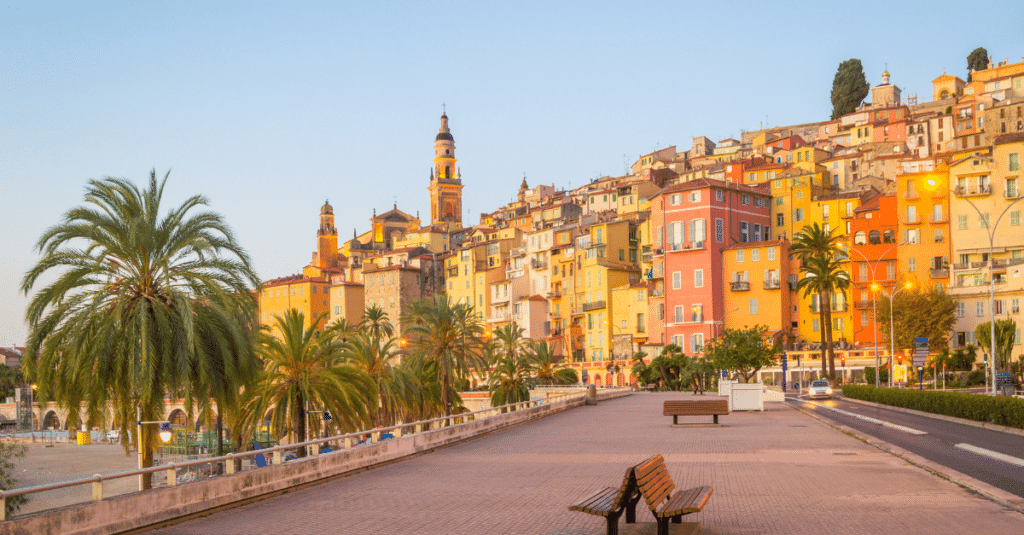
While the lifestyle benefits are real, expats moving to France also face some struggles. Looking at the pros and cons of living in France helps put these challenges into perspective. Many difficulties come from administration, language barriers, and rigid systems rather than the daily quality of life.
Understanding these drawbacks early allows expats to prepare, reduce frustration, and set realistic expectations before relocating.
1. Complex and Frustrating French Bureaucracy
Administration in France is document-heavy and slow. A standard residence permit application often requires 8–12 separate documents. Most of these must be translated and be recently issued. Prefecture appointments typically involve 2–6 week wait times, even in major cities.
Every day tasks also move slowly. Opening a bank account can take up to 4 weeks, as banks require proof of address, residency status, and tax details. For newcomers, this bureaucracy becomes one of the most cited challenges among expats living in France.
This level of paperwork is why many expats choose expert France immigration services to handle prefecture appointments, document preparation, and ongoing compliance.
2. High Cost of Living in Major Cities
Despite France’s strong social systems, living expenses in France become a real concern in its largest cities. Paris consistently ranks as the most costly, with one-bedroom apartments renting for €1,200–€1,800 per month. Lyon and Bordeaux are cheaper, but housing pressure continues to push prices upward.
Daily expenses also add up quickly. Groceries, transport passes, and utilities cost more in urban centers, especially for centrally located apartments. Choosing the right city is often the biggest factor shaping affordability and long-term comfort.
| Expense | Paris | Lyon | Bordeaux | Toulouse | Nantes |
| 1BR Rent | €1,200–1,800 | €800–1,000 | €750–900 | €650–800 | €600–750 |
| Groceries /month | €400–500 | €350–400 | €350–400 | €300–350 | €300–350 |
| Transport pass | €85 | €65 | €50 | €60 | €55 |
| Utilities | €150–180 | €120–140 | €110–130 | €100–120 | €100–120 |
| Restaurant meal | €18–25 | €14–18 | €14–18 | €12–16 | €12–16 |
| TOTAL /month | €2,500–3,500 | €1,800–2,200 | €1,700–2,100 | €1,500–1,800 | €1,400–1,700 |
These figures highlight why many newcomers look beyond Paris when evaluating the true quality of life in France versus cost.
3. Language Barrier Creates Real Challenges
For non-French speakers, the language barrier is one of the most underestimated cons of living in France. Only 39% of French residents speak conversational English. Usage drops sharply outside major cities. Daily interactions may feel manageable at first, but complexity increases quickly.
Administrative and legal processes operate almost entirely in French. Around 95% of government services are French-only, including prefectures and tax offices. In healthcare, most doctors outside Paris consult exclusively in French, increasing stress during critical situations for those with lower levels of French.
4. Strikes and Social Movements
France has a strong protest culture, which directly affects daily life. Looking at the pros and cons of living in France also means understanding how strikes shape everyday routines. The country averages 15 to 20 strike days per year, with transport strikes usually causing the most disruption. Trains, metros, and flights can stop with limited notice.
Schools are also frequently affected, with around 5 to 10 strike days annually. For families, this can create unexpected childcare challenges. While strikes reflect strong labor protections, they remain a practical downside for expats living in France who depend on predictable schedules.
5. Slower Service Culture and Limited Hours
Service culture in France poses another difficult transition for expats. Most shops close between 7 and 8 PM on weekdays and around 6 PM on Saturdays. The majority of retail stores close entirely on Sundays, even in cities.
Banks and public offices often require appointments booked 2–3 weeks in advance. Many businesses also observe two-hour lunch closures from 12–2 PM. For Americans, this slower pace can take some getting used to.
6. High Tax Burden on Income
The tax system in France funds the country’s strong social benefits, but it places a heavy burden on earners. Income tax brackets range from 0% to 45%, with higher rates applying quickly to urban salaries. Middle- to high-income professionals feel this impact most.
Additionally, employment income is subject to 9.7% social charges, which is separate from income tax. For foreigners, understanding post-tax income is critical to accurately assess affordability and long-term sustainability.
7. Building Friendships Takes Longer
Many foreigners underestimate how formal French social customs can feel at first. Politeness, etiquette, and personal boundaries matter, especially in early interactions. Casual friendliness does not always translate into immediate friendships.
Relationship-building requires time, consistency, and effort. Speaking French will accelerate trust and inclusion significantly. Typically, meaningful friendships develop over months or years, not weeks, which can feel isolating early on.
8. Limited Job Market for Non-French Speakers
The French labor market strongly favors language fluency. Approximately 85% of jobs require French, even in multinational environments. Roles involving clients, administration, or compliance almost always demand native-level business communication skills.
Opportunities exist for highly qualified talent in tech, engineering, and academia, but they are limited. Employment prospects improve dramatically only after achieving professional French proficiency.
9. Cultural Adjustment Requires Time and Patience
French culture places strong value on formality, rules, and process. From written communication to workplace hierarchy, expectations differ from Anglo-Saxon norms. Initially, these differences can feel rigid or unwelcoming.
Adaptation improves with exposure and understanding. Integration requires patience and a willingness to adjust habits. This learning curve is a key aspect of life in France for newcomers.
10. Distance from Home Country and Time Zones
France’s distance from North America impacts both travel and communication. Round-trip flights to the US typically cost €600–€1,200. Americans planning to visit home require planning in advance and budget flexibility.
Time zone differences also add strain. France is 6 hours ahead of the US East Coast and 9 hours ahead of the West Coast, complicating remote work schedules and family communication.
11. Housing Market and Administrative Requirements
Securing housing in France is a document-heavy process. Landlords usually request 8–12 documents. Documentation typically includes proof of income, tax returns, and employment contracts. Most also require a guarantor earning four times the monthly rent.
On top of monthly rent, renters must pay security deposits ranging from one to two months’ rent. Average search times in major cities are roughly 2–3 months. These hurdles often surprise newcomers and represent a downside when moving to France.
12. Waiting Period for Public Healthcare Coverage
Healthcare quality is a major benefit, but access is not immediate. New residents typically face a three-month waiting period before enrolling in the public healthcare system (PUMA).
During this time, private insurance is essential. While it is affordable, this interim step adds complexity and cost. Understanding this delay helps manage expectations during the initial settlement phase.
Legal Requirements: Visas and Residence Permits

Understanding the legal framework is essential when weighing the pros and cons of living in France. France offers several visa pathways, each designed for a specific profile and purpose of stay. Choosing the wrong option is one of the most common mistakes encountered by first-time applicants.
Visitor Visa (Long-Stay Visitor)
This option suits retirees or financially independent individuals who do not plan to work.
- No employment or professional activity is permitted in France.
- Applicants must prove sufficient passive income and private health insurance.
- Often used as a first step toward long-term residence permits.
Talent Passport (Passeport Talent)
Designed for highly qualified professionals, investors, and creatives.
- Covers categories such as skilled workers, researchers, artists, and investors.
- Allows work authorization and family reunification from day one.
- One of the fastest routes to stable residency for high-value profiles.
Student Visa
Ideal for those enrolled in French universities or accredited institutions.
- Allows limited part-time work (up to 964 hours per year).
- Requires proof of enrollment, accommodation, and financial means.
- Time spent as a student may count toward long-term residency.
Entrepreneur / Self-Employed Visa
For founders, freelancers, and business owners launching a venture in France.
- Requires a viable business plan and sufficient funding.
- Applicants must register a legal structure in France.
- Careful tax and compliance planning is critical from the start.
Employee Visa (Salaried Worker)
For individuals hired by a French employer under a local contract.
- A work authorization must be secured before applying.
- The employer plays a central role in the approval process.
- Tied to the specific job and employer during the initial period.
Residence Permit (Carte de Séjour)
Once in France, most long-stay visa holders must apply for a residence permit.
- Issued for 1–4 years, depending on the visa type.
- Renewal depends on continued compliance with visa conditions.
- Long-term residents may qualify for permanent residency or citizenship.
Choosing the correct visa pathway is a crucial decision that directly impacts employment rights, tax obligations, and long-term settlement options in France.
Frequently Asked Questions

Can I live in France without speaking French?
Yes, but it is challenging long-term. Daily life, healthcare, and administration operate mostly in French. Learning the language takes time, but it will significantly improve integration and reduce frustration for expats.
Can my family move with me to France?
Typically, yes. Most long-stay visas allow family reunification. Spouses and children can apply for dependent residence permits, often with work and study rights upon approval.
Do I need private health insurance in France?
Initially, yes. New arrivals must hold private coverage until they access the public system, which usually takes three months. Many expats keep low-cost top-up insurance long term.
How much money should I save before moving to France?
Plan for at least €12,000–€18,000 per adult. This covers rent deposits, setup costs, and several months of living expenses, especially if settling in major cities where the cost of living is higher.
8. Conclusion & CTA
When weighing the pros and cons of living in France, one thing is clear: France offers an exceptional lifestyle, but it rewards preparation.
For many expats, the deciding factor is alignment. If you value work-life balance, public services, and cultural depth more than speed and simplicity, life in France can be deeply rewarding. With the right visa strategy, financial planning, and support, relocating does not need to be overwhelming.
If you are considering your move and want clarity on visas, residence permits, or long-term planning, speak with an immigration professional early. Not sure where to start? Fill out the form below, and one of Lexidy’s French immigration experts will be in touch to map out a clear plan to help make the move to France!