 Skip to content

Before Brexit, buying property in Italy was simple for British citizens. Today, the rules have changed, and many are asking the same question: what does buying property in Italy after Brexit really involve?
The answer is reassuring. Yes, UK citizens can still purchase property in Italy. However, the process now requires understanding residency rules, visa options, and what life as a non-EU homeowner looks like.
This guide gives British buyers a clear, step-by-step roadmap. Whether you want a holiday home, a retirement retreat, or a permanent move, you’ll find the legal updates, practical steps, and regional insights needed to make confident decisions.
Table of Contents
- Can a British Citizen Buy Property in Italy After Brexit?
- Understanding Residency & Visa Requirements for British Citizens in Italy
- The Italian Property Buying Process for British Citizens (Step-By-Step)
- Where to Buy Property in Italy (Popular Regions for Expats/Brits)
- Key Differences & Challenges for British Citizens Post-Brexit
- Frequently Asked Questions About Buying Property in Italy After Brexit
- Need Support With Buying Property in Italy After Brexit?
Can a British Citizen Buy Property in Italy After Brexit?
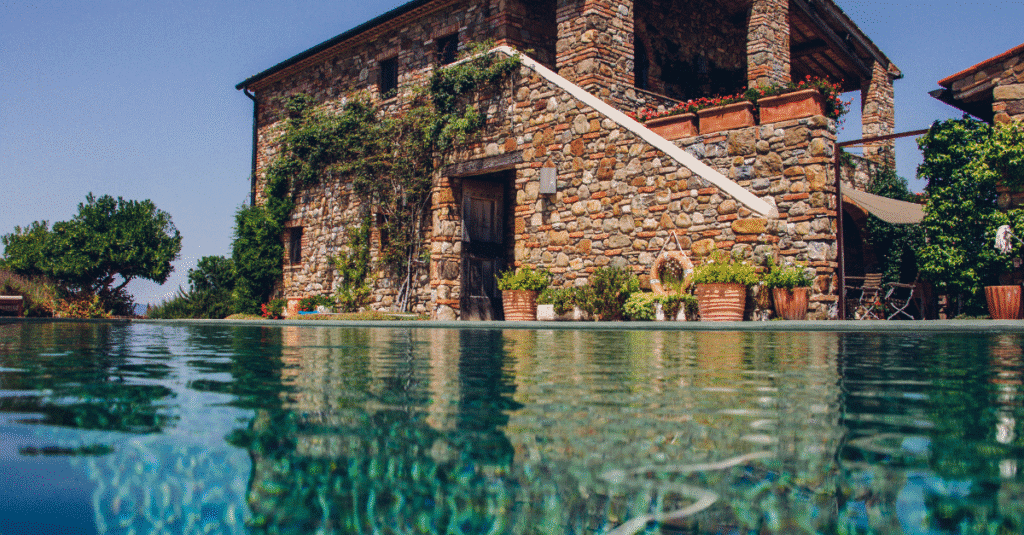
Yes. British citizens can still buy property in Italy after Brexit. Thanks to reciprocity, UK nationals have the same right to purchase Italian real estate as Italians have to buy in the UK. This applies whether you’re investing, purchasing a holiday home, or preparing for a future move.
A Key Distinction: Ownership vs. Residency
It’s important to separate owning property from living in Italy full-time. Buying a home in Italy does not give you automatic residency.
- You can buy property in Italy.
- You can stay up to 90 days in a 180-day period without a visa.
- You must apply for a visa or residence permit if you want to live in your Italian home long-term.
Brexit didn’t affect your right to invest in Italian property. What changed are the residency rules, so planning ahead is key if your purchase is part of a bigger lifestyle change.
Understanding Residency & Visa Requirements for British Citizens in Italy
Owning property in Italy is one thing. Living in Italy after Brexit is another. If you plan to spend more than 90 days in a 180-day period, you’ll need a visa and a residence permit.
Short Stays (Up to 90 Days in Any 180-Day Period)
British citizens can visit Italy visa-free for up to 90 days within any 180-day period for tourism or short visits. This means you can use your Italian property as a holiday home without needing a visa, provided you stay within the allowed timeframe.
It’s essential to note that those 90 days apply across the entire Schengen Area, not just Italy. In other words, time spent in other EU countries counts toward the limit.
Longer Stays and Permanent Relocation (Over 90 Days)
Since Brexit, UK nationals are treated like other non-EU citizens. If you want to live in Italy for a period of over 90 days, you will need the proper visa and residence permit. Here are the most popular options:
Elective Residence Visa (ERV)
The Elective Residence Visa is the most common route for British retirees or financially independent individuals. It’s ideal if:
- Minimum passive income of €31,000 annually for one applicant.
- Income sources can include pensions, dividends, rental income, or investments.
- Must show long-term accommodation (your property can qualify).
- Requires private health insurance.
Note: This visa does not allow working in Italy.
Digital Nomad Visa
Launched in April 2024, the Digital Nomad Visa is designed for remote workers and freelancers employed or contracted by non-Italian companies. It requires proof of:
- Annual income requirement of at least €25,500, but may require more.
- Proof of remote employment or freelance contracts with non-Italian employers/clients.
- You must be considered a highly qualified professional.
- Proof of accommodation in Italy.
- Private health insurance.
Work Visas
If you have a job offer from an Italian company, you may be eligible for a work visa. This typically involves:
- Sponsorship by your Italian employer.
- A job offer aligned with Italy’s immigration quotas (decreto flussi).
- Compliance with qualification and salary thresholds.
Investor Visa
For high-net-worth individuals, the Investor Visa for Italy offers a path to residency through investment, such as:
- €2 million in government bonds.
- €1 million in philanthropic contributions.
- €500,000 in an Italian limited company.
- €250,000 in an innovative startup.
This may appeal to buyers looking to tie property ownership to a broader investment and residency strategy.
Applying for a Residency Permit (Permesso di Soggiorno)
Once you enter Italy on a valid long-stay visa, you must apply for a Permesso di Soggiorno within 8 days. This is your formal residency permit and must be renewed periodically.
Curious to learn more? Check out our Guide to Moving to Italy from the UK.
The Italian Property Buying Process for British Citizens (Step-By-Step)
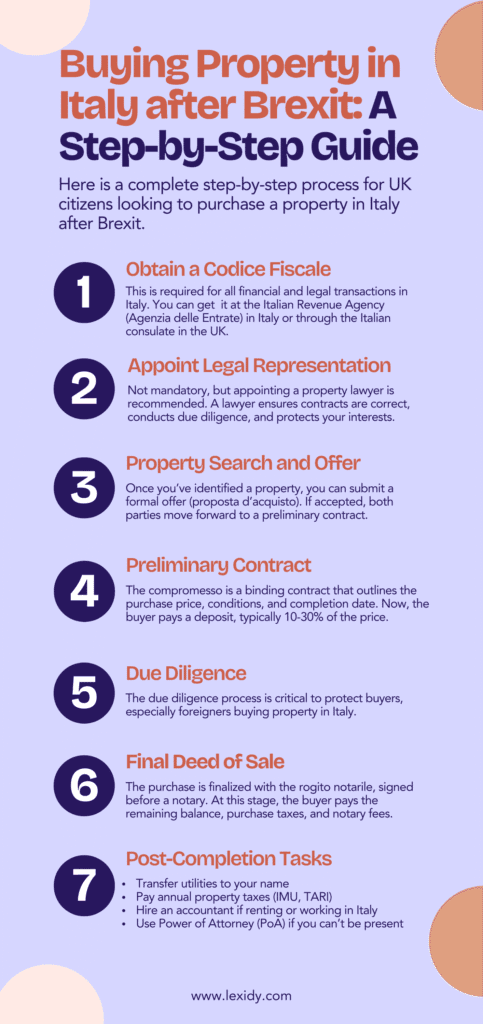
For UK nationals, buying property in Italy after Brexit is still very possible, but the process involves formal steps that can feel unfamiliar. Italy’s system is transparent and secure, but it requires organization.
Here’s a clear breakdown of what to expect as a British buyer.
1. Obtain a Codice Fiscale (Italian Tax Code)
The Codice Fiscale is the Italian equivalent of a tax identification number. It is required for all financial and legal transactions, including buying property in Italy, opening a bank account, and setting up utilities.
You can obtain it at the Italian Revenue Agency (Agenzia delle Entrate) in Italy or through the Italian consulate in the UK.
2. Appoint Legal Representation
While not strictly mandatory, we highly recommend hiring a property lawyer (avvocato) in Italy. A lawyer ensures contracts are correct, conducts due diligence, and protects your interests.
Many buyers also appoint a notary (notaio) early in the process, though the notary’s official role is neutral and required at the final signing of the deed.
3. Property Search and Offer
Once you’ve identified a property, either through an estate agent (agente immobiliare) or privately, you can submit a formal offer (proposta d’acquisto). If accepted, both parties move forward to a preliminary contract. This is the first binding step toward purchase.
4. Preliminary Contract (Compromesso)
The compromesso is a binding contract that outlines the purchase price, conditions, and completion date. At this stage, the buyer pays a deposit, typically 10–30% of the price. If the buyer withdraws, the deposit is forfeited. If the seller withdraws, they may have to pay the buyer double the deposit.
5. Due Diligence
Due diligence protects buyers, especially foreigners buying property in Italy. This includes checks to confirm:
- The seller is the legal owner.
- The property is free from debts, mortgages, or liens.
- Compliance with planning and zoning regulations.
- Required certificates, such as the energy performance certificate (APE).
6. Final Deed of Sale (Rogito Notarile)
The purchase is finalized with the rogito notarile, signed before a notary. At this stage, the buyer pays the remaining balance, purchase taxes, and notary fees.
The notary ensures all documents are valid and registers the deed with the Land Registry. From this moment, the property legally belongs to you.
7. Post-Completion Tasks
After completion, several practical steps follow:
- Transfer utilities (water, gas, electricity) into your name.
- Pay annual property taxes such as IMU and TARI.
- Consider hiring a local accountant if you plan to rent out your home or are working in Italy after Brexit.
- If you cannot be present during parts of the process, granting Power of Attorney (PoA) is a common solution.
Where to Buy Property in Italy (Popular Regions for Expats/Brits)
Italy offers a stunning variety of landscapes, suited to any lifestyle or price range. Whether you’re looking for a countryside villa, a coastal retreat, or an apartment in a Renaissance city, Italy has something for you. British buyers, in particular, have long been drawn to certain regions of Italy for their beauty, culture, and lifestyle.
Here are some of the most popular areas to consider when buying property in Italy:
Tuscany & Umbria: Rolling Hills and Timeless Charm

Tuscany has long been a favourite among British buyers, known for its idyllic countryside, medieval towns, vineyards, and iconic cities like Florence and Siena. Property in Tuscany often comes at a premium, especially in hotspots such as Chianti or Lucca.
Neighbouring Umbria offers a quieter, often more affordable alternative while retaining much of the same rustic charm and scenic beauty. Both regions are ideal for those seeking holiday homes with rental potential or a retirement base immersed in Italian heritage.
Puglia & Basilicata: Southern Charm at Affordable Prices
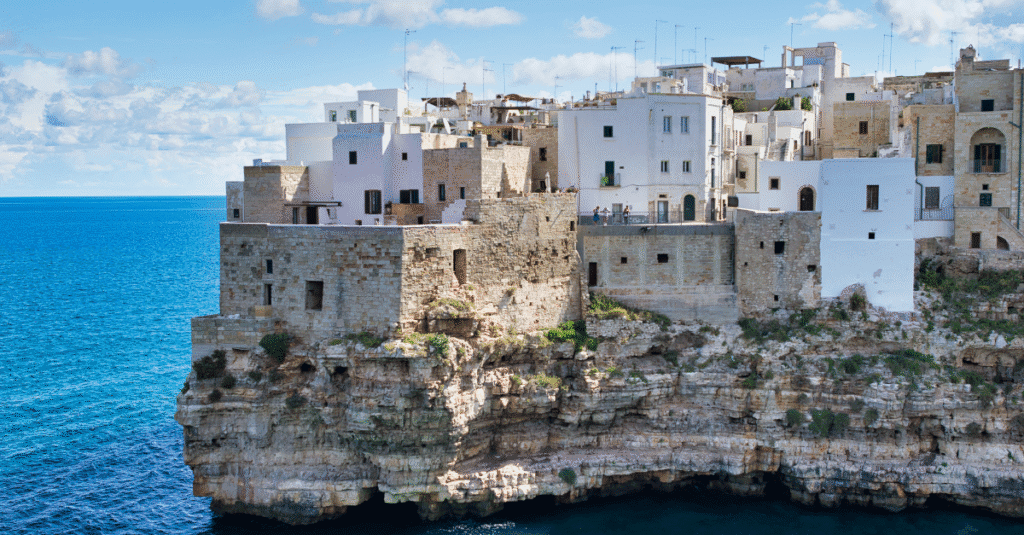
For buyers looking beyond the usual tourist trail, Puglia (the heel of Italy’s boot) and Basilicata offer exceptional value. Puglia is known for its whitewashed villages, olive groves, and Adriatic coastline. Towns like Ostuni, Lecce, and Polignano a Mare have grown in popularity, offering a balance of affordability and lifestyle.
Basilicata is lesser known but equally enchanting. It features mountainous scenery and historical towns such as Matera, famous for its ancient cave dwellings. These southern regions are ideal for those seeking authentic Italian living at lower property prices.
Lombardy & Piedmont: Lakes, Mountains, and Proximity to Europe
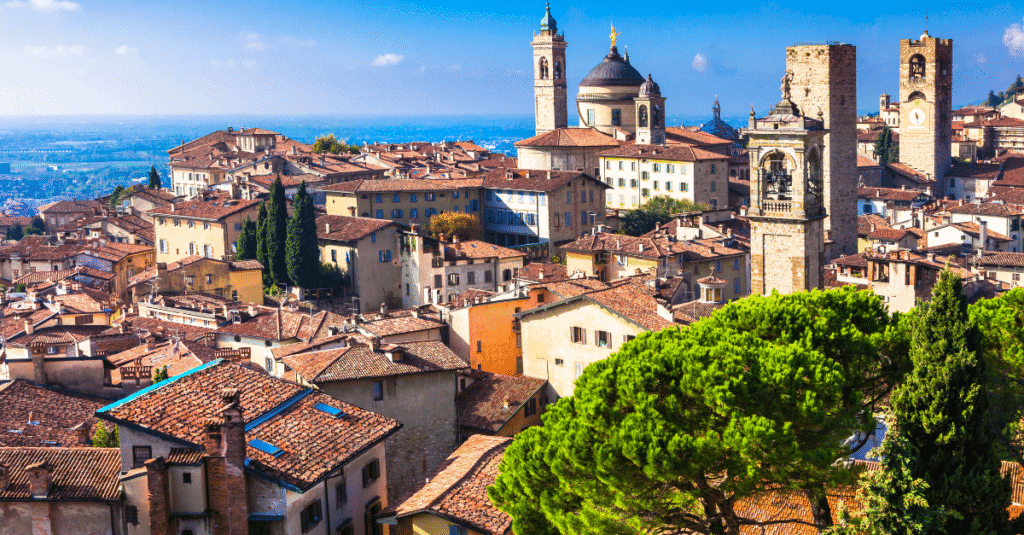
Northern Italy, especially regions like Lombardy and Piedmont, appeals to buyers seeking proximity to Switzerland, France, and major European transport hubs.
Lombardy includes Lake Como and Lake Garda, both popular for high-end properties and scenic lakefront living. Milan, Italy’s business and fashion capital, is also in this region.
Piedmont is known for its wine, cuisine, and alpine foothills, offering a relaxed pace and better value, while still being well-connected.
Sicily & Sardinia: Island Escapes with Cultural Depth
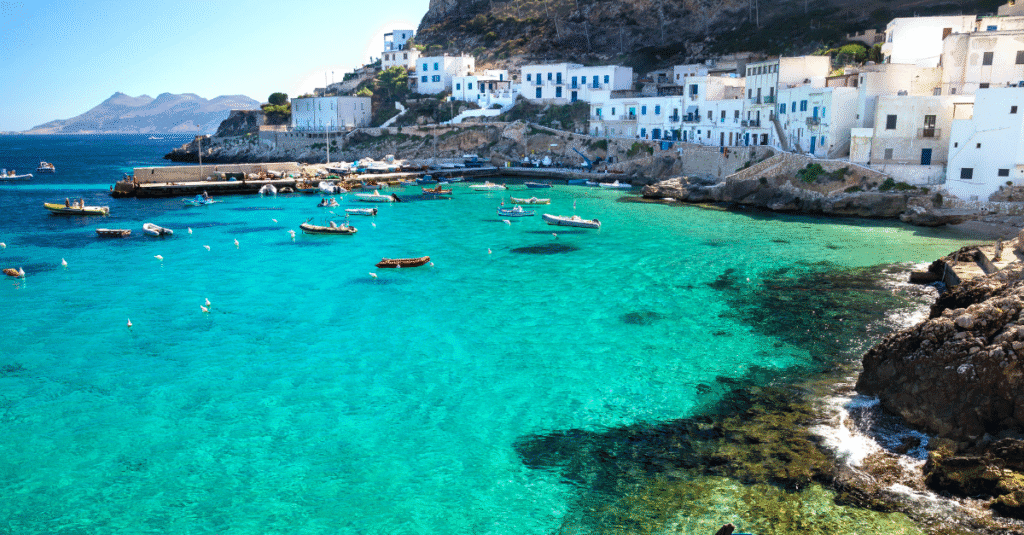
Italy’s two largest islands each have their own unique identity. Sicily combines ancient Greek and Roman history, baroque cities like Noto and Ragusa, and diverse landscapes from Mount Etna to coastal towns like Cefalù and Taormina.
Sardinia is renowned for its beaches, especially in the north (Costa Smeralda), and attracts both luxury buyers and those looking for a peaceful coastal retreat. Both islands offer relatively affordable property compared to mainland cities, though infrastructure and access can vary.
City Apartments: Rome, Florence, Milan, Venice
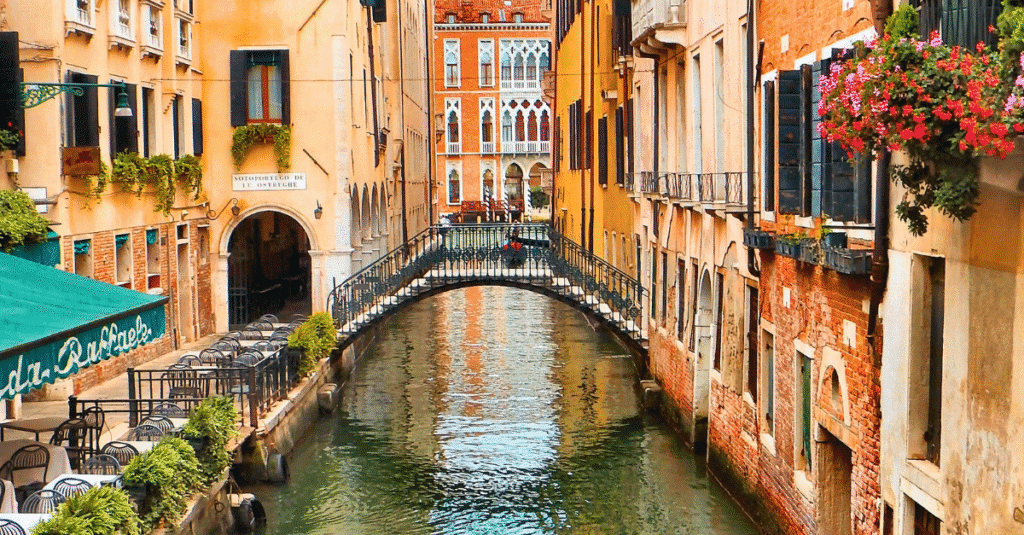
For those who prefer the buzz of urban life, Italy’s major cities offer investment opportunities and vibrant cultural scenes.
- Rome offers historic apartments in Trastevere and modern builds in residential suburbs.
- Florence remains a top choice for art lovers and those seeking Renaissance beauty.
- Milan is ideal for professionals and those seeking modern, high-design living.
- Venice, while unique and iconic, offers challenges due to flooding and restrictions, but also rare opportunities for character-filled homes.
Each city has its own property dynamics, but all attract expats, digital nomads, and investors alike.
Key Differences & Challenges for British Citizens Post-Brexit
Buying and living in a property in Italy as a British citizen post-Brexit is still very possible. However, there is a new set of rules and administrative hurdles that didn’t exist before. Below are the most significant differences and challenges to be aware of:
Schengen Area Rules (90/180-Day Rule)
One of the most immediate impacts of Brexit is the introduction of the Schengen rule for UK citizens. British citizens can now only stay in Italy and other Schengen countries for a maximum of 90 days within any 180-day period without a visa. This limitation applies whether you’re staying in a hotel or your own property. Overstaying this period can result in fines or even travel bans.
Visa Application Process
For stays beyond 90 days, you now need a visa, and this isn’t always straightforward. Applying for long-stay visas such as the Elective Residence Visa or Work Visa requires significant paperwork, including proof of financial means, health insurance, and accommodation.
Visa processing can be slow, and consular appointments may be limited. Many applicants also face requests for additional documentation or translations.
Healthcare Access
Pre-Brexit, British citizens could use their EHIC for reciprocal healthcare access. Post-Brexit, this only applies to temporary stays, and does not cover long-term residents. To apply for a visa or obtain residency, private health insurance is often mandatory, particularly for the Elective Residence Visa.
Those staying in Italy long-term can register with the Italian public healthcare system after obtaining residency and Permesso di Soggiorno.
Banking as a Non-EU Resident
Opening an Italian bank account is still possible but can be more difficult as a non-EU resident. Some banks may:
- Request more documents (like your visa/residency status).
- Impose limits or additional fees.
- Be less willing to offer credit cards or loans.
Driving Licenses
If you’re moving to Italy, you can use your UK driving license for up to 12 months after registering as a resident. After that, you’ll need to exchange it for an Italian license (Patente di Guida). Italy and the UK have a reciprocal agreement, so usually this is straightforward as long as you don’t let the 12-month window pass.
Loss of Freedom of Movement
Perhaps the biggest overarching change is that British citizens no longer have freedom of movement across the EU. This affects not only how long you can stay in Italy, but also:
- The ability to move freely to other Schengen countries from your Italian property.
- Access to EU-based services.
- The relative ease of settling permanently in Italy.
Post-Brexit, buying property in Italy is still very doable, but it requires more planning, paperwork, and legal awareness than it did before.
Frequently Asked Questions About Buying Property in Italy After Brexit

Can I get a mortgage in Italy as a British citizen?
Yes, British citizens can get a mortgage in Italy. However, non-residents typically need a larger deposit (often 30–40%), and approval may depend on income, credit history, and financial stability.
How long can a British citizen stay in Italy after Brexit if they own property?
Owning property in Italy does not grant you the right to stay beyond the 90 days in any 180 days allowed under the Schengen short-stay rule. To stay longer, you need a valid visa or residence permit.
What is the Elective Residence Visa, and do I need it?
The Elective Residence Visa is a long-stay visa for financially independent individuals who want to live in Italy without working. If you’re planning to live long-term in Italy after buying property, and you don’t plan to work, this visa is often the best option for British retirees or remote earners.
Can I work in Italy if I buy a property there?
No, purchasing property in Italy does not grant the right to work. To legally work in Italy, British citizens need a work visa or residency permit with work privileges.
What are the property taxes in Italy?
Taxes include:
- Purchase taxes (registration tax or VAT, depending on the seller and use),
- IMU (municipal tax, if it’s a second home),
- TASI and TARI (waste and municipal services),
- Annual income tax if the property is rented out,
Tax rates vary by property type, location, and whether it’s your primary residence.
Need Support With Buying Property in Italy After Brexit?
Buying property in Italy as a British citizen is still possible post-Brexit, but staying long-term requires careful planning. While purchasing a home does not grant residency rights, options like the Elective Residence Visa allow British citizens to enjoy extended stays in Italy if they meet the income and documentation requirements.
Whether you’re planning to retire in Italy, move full-time, or just want clarity on your visa options, our legal experts can guide you through every step, from property contracts to residence permits.
Fill out the form below for a free consultation with our Italy immigration experts and make your move to Italy a reality.