 Skip to content

What if you could enjoy a Mediterranean lifestyle with sunshine, fresh food, and walkable cities while spending far less each month? For many expats, understanding Greece’s cost of living is the first step toward turning that idea into reality.
In 2026, the average monthly cost of living in Greece ranges between €1,150 and €1,240 for a single person, including rent, while a family of four spends around €3,450 per month. Compared to the United States, overall living expenses in Greece are roughly 51% lower, making it one of the most affordable destinations in Southern Europe for retirees, remote workers, and long-term expats.
But is living in Greece truly affordable in practice? The answer depends on where you live, your lifestyle, and your income source. From vibrant cities like Athens and Thessaloniki to quieter mainland towns and islands, Greece offers a wide range of living costs and lifestyle choices.
In this guide, you will discover how Greece compares globally, what everyday expenses really look like, and where expats can find the best balance between affordability, lifestyle, and long-term sustainability.
Table of Contents
Greece Cost of Living vs US: The 2026 Breakdown
For many expats, the key financial question is how Greece compares to life in the United States. Across housing, transportation, healthcare, and everyday spending, Greece remains significantly more affordable in 2026, which is why many retirees and remote workers choose it for long-term living.
Below is a side-by-side comparison of common monthly expenses.
| Category | Greece (2026) | United States (2026) | % Difference |
| Rent (1-Bed, City Center) | €489 ($525) | €1,400 ($1,504) | -66% |
| Monthly Transit Pass | €30–€45 ($32–$48) | €65 ($69.50) | -56% |
| Private Health Insurance | €50–€150/month ($54–$162) | €420+/month ($450+) | -70%+ |
| Meal (Inexpensive Restaurant) | €15 ($16) | €19 ($20) | -25% |
Housing remains the largest cost advantage. Even in major cities, rent in Greece can be around 70% lower than in comparable US locations. Healthcare is another key differentiator, with private insurance far more affordable and accessible than in the United States.
At a household level, the difference becomes even clearer. A family in the US spends roughly $5,730 per month, while maintaining a similar lifestyle in Greece costs about $2,944. For many expats, this gap alone makes Greece an attractive long-term base.
Average Rent in Greece: 2026 City Comparison
Housing is the biggest factor shaping the Greece cost of living, and in 2026 the country continues to offer some of the most competitive rental prices in Europe. The average rent for a one-bedroom apartment can start as low as €397 outside city centers, making Greece especially attractive for retirees and remote workers on fixed or flexible incomes.
Athens, the country’s economic and cultural hub, commands higher prices. A centrally located one-bedroom apartment typically ranges between €700 and €1,200, depending on the neighborhood and proximity to transport. Despite this, Athens remains far more affordable than most major US cities while offering strong infrastructure, healthcare access, and international connectivity.
Rent Levels by Location Type
| Location Tier | Areas | Typical Monthly Rent (1-Bed) | What This Means for Expats |
| Premium Island Markets | Santorini, Mykonos | €1,430+ | High lifestyle appeal but limited housing supply and higher costs due to global demand |
| Mid-Range Urban Hubs | Thessaloniki, Patras | €400 – €1,100 | Balanced affordability and urban lifestyle with strong transport and local amenities |
| Mainland Value | Central Greece, Larissa | Below €300 – €400 | Lowest housing costs, ideal for retirees and budget-focused expats |
Most Expensive: Santorini and Mykonos

Rents frequently exceed €1,430 due to global demand, limited long-term housing supply, and strong tourism pressure. These islands offer exceptional scenery and lifestyle appeal, but housing comes at a premium and is best suited for higher-income remote workers or seasonal residents.
Mid-Range Cities: Thessaloniki and Patras

Well-located apartments typically range between €400 and €1,100. These cities provide a balanced combination of affordability, culture, and urban convenience, making them attractive for digital nomads and long-term expats seeking city life without Athens-level costs.
Best Value: Mainland Central Greece and Larissa

Inland regions deliver the lowest housing costs, with some basic accommodations available for under €300 per month. Lower rents, combined with slower-paced living and lower daily expenses, make these areas especially appealing for retirees and budget-conscious expats.
Need help deciding on the most suitable region for your needs? Speak with one of our Greek immigration lawyers to help determine the best region for your goals and budget.
Living Expenses in Greece by Category
Understanding everyday costs beyond rent helps paint a realistic picture of the Greece cost of living. Below is a snapshot of typical monthly expenses in 2026.
Living Expense Snapshot (2026)
| Category | Typical Cost |
| Monthly Groceries (Single Person) | €200 – €300 |
| Utilities (85 m² Apartment) | €150 – €300 |
| Winter Heating Increase | +€50 – €150 |
| Monthly Transit Pass | €30 |
| Gasoline | €2.10 / liter |
Grocery Prices in Greece
Groceries remain one of the most affordable aspects of daily life. A single person typically spends €200 to €300 per month, especially when shopping at local markets. Fresh staples such as bread (€1.25) and milk (€1.50) are widely available at lower prices than in many Western countries, helping keep food costs manageable.
Utilities
Utilities are moderate but vary by season. For an 85 m² apartment, electricity, water, and heating usually cost €150 to €300 per month. Winter heating can add €50 to €150, particularly in northern regions, while summer air conditioning may slightly increase electricity usage.
Transportation
Public transport is reliable and inexpensive. A monthly pass averages €30, and single tickets cost around €1.20 to €1.60. Fuel is one of the few higher-cost areas compared to the US, with gasoline at approximately €2.10 per liter, which mainly affects rural residents who rely on cars.
Healthcare in Greece for Expats

Healthcare plays a major role in the overall Greece cost of living. The country operates a universal public system (ESY) that provides low-cost or free care, though many expats choose private insurance for faster access and English-speaking specialists.
Private health insurance is highly affordable. Plans for younger individuals typically start at €30 to €60 per month, while comprehensive coverage for those over 60 usually ranges between €120 and €210. Even with private coverage, healthcare costs remain far lower than in the UK or US.
Expats with an AMKA (Greek social security number) can access public hospitals at little to no cost. Greece is also known for medical tourism, with procedures such as dental care, IVF, and LASIK often costing 25% to 70% less than in the UK or US.
Healthcare affordability and accessibility remain key reasons many expats choose Greece for long-term living. Next, we examine the average salary and affordable places to live in Greece.
Average Net Monthly Salary in Greece: 2026 Overview
Understanding income levels is essential when evaluating the long-term Greece cost of living. In 2026, the average monthly net salary ranges between €960 and €1,100. While lower than in the United States, reduced housing, healthcare, and everyday expenses allow many expats to maintain a stable and comfortable lifestyle, particularly when supported by foreign income, pensions, or remote work.
Monthly Salary Comparison by City Tier (2026)
| City Tier | Greece | United Kingdom | United States |
| Capital / Major City | Athens — €1,050 | London — €3,300 | New York — €4,200 |
| Large Regional City | Thessaloniki — €1,000 | Manchester — €2,600 | Chicago — €3,700 |
| Mid-Size / Smaller City | Patras — €980 | Birmingham — €2,400 | Austin — €3,400 |
Despite lower wages, significantly reduced living expenses allow many expats to maintain financial stability in Greece, especially when earning foreign income or relying on pensions.
Affordable Places to Live in Greece
Greece offers several regions where lower housing costs, affordable daily expenses, and strong quality of life create excellent long-term value for expats. Below are three locations that consistently stand out for affordability and lifestyle balance.
Crete
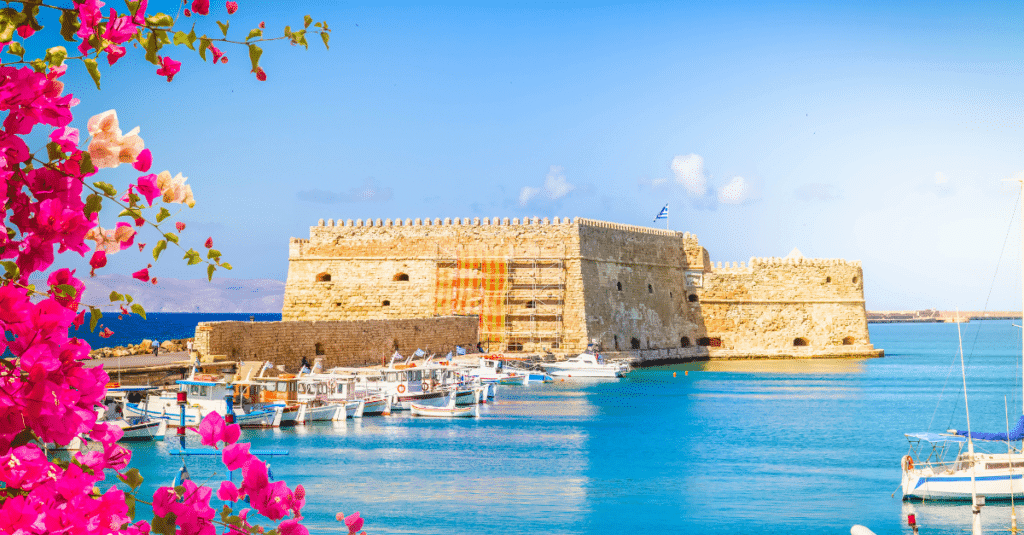
Crete offers one of the strongest lifestyle-to-cost balances in Greece. As the largest island, it combines safety, strong healthcare access, and modern infrastructure with a relaxed Mediterranean pace. A single person or couple can live comfortably on around €1,400 per month, making it especially attractive for retirees and long-term expats.
Ioannina

Ioannina is a vibrant university city in northwest Greece known for its cultural atmosphere and natural surroundings. Living costs are roughly 20% lower than in Athens, offering a strong balance between affordability and urban convenience. It appeals to remote workers and expats seeking a quieter city lifestyle.
Edessa

Edessa, located in northern Greece and famous for its waterfalls, is one of the most affordable locations in the country. Housing costs are approximately 40% lower than in Athens, making it ideal for budget-conscious expats who prefer a slower pace of life and lower daily expenses.
Still trying to decide if Greece is the right fit for you? We’ve put together a detailed guide on the pros and cons of living in Greece to provide a realistic, unbiased view of life in Greece.
Is Living in Greece Worth It in 2026?
Greece has climbed to the top of the 2026 Global Retirement Index thanks to its rare combination of affordability, improving economic stability, and year-round Mediterranean climate. For many expats, especially Americans, it offers a high-quality lifestyle at roughly half the cost of living in the United States.
Lower housing costs, accessible healthcare, and affordable daily living allow retirees, remote workers, and long-term residents to maintain financial stability while enjoying a relaxed pace of life. With the right planning, Greece can offer both lifestyle and long-term value.
Understanding the Greece cost of living is only the first step. Choosing the right visa, residency pathway, and long-term strategy can make a significant difference when planning your move.
Ready to take the next step? Fill out the form below to connect with a Greece immigration specialist and begin planning your relocation with clarity and confidence.