 Skip to content

Mexico continues to attract expats in 2026. One simple reason for this is that the cost of living in Mexico delivers a high quality of life at a fraction of U.S. prices. For a single person, monthly expenses typically range from $1,200 to $2,000 USD, including rent. Couples can live comfortably on $2,500 to $4,000, depending on lifestyle and location.
Mexico’s cost of living varies widely by city. Mexico City averages $1,600 to $2,200 per month, offering world-class healthcare, dining, and infrastructure. Beach destinations like Playa del Carmen fall between $1,400 and $1,900, while smaller colonial cities such as Mérida or Oaxaca allow a comfortable lifestyle for $1,100 to $1,500. Overall, expats can expect 30% to 70% savings compared to the United States, making Mexico one of North America’s most financially accessible relocation options.
Table of Contents
- Mexico Cost of Living vs. US: The 2026 Breakdown
- Average Rent in Mexico: 2026 City Comparison
- Food Prices in Mexico: Groceries & Dining Out
- Healthcare in Mexico for Expats
- Average Salary and Affordable Places to Live in Mexico
- Affordable Places to Live in Mexico (2026)
- Cost Comparison: Mexico vs UK vs US Cities (2026)
- Need Support Moving to Mexico?
Mexico Cost of Living vs. US: The 2026 Breakdown
For expats comparing destinations, the cost of living in Mexico remains dramatically lower than in the United States, making it one of North America’s most compelling relocation options.
Core expenses such as housing, transportation, healthcare, and dining cost dramatically less in Mexico, even in large cities like Mexico City, Guadalajara, or Monterrey. These savings allow expats to maintain a higher standard of living without sacrificing comfort or services.
Housing costs drive the largest difference. Rent in Mexico is often 65% to 75% lower than in comparable U.S. cities. Public transport and healthcare costs are also a fraction of American prices. Overall, a lifestyle that costs $5,730 per month in the U.S. can be maintained in Mexico for roughly $1,900, depending on location and lifestyle choices.
| Category | Mexico (2026) | United States (2026) | % Difference |
| Rent (1-Bed Center) | €450–900 ($512–$965) | $1,504 | -65% |
| Monthly Transit Pass | €15–€25 | $69.50 | -75% |
| Private Health Insurance | €50–€150 / month | $450+ /month | -75%+ |
| Meal (Inexpensive) | €5–€8 | $20 | -65% |
These figures explain why the cost of living in Mexico continues to attract retirees, remote workers, and families seeking long-term financial flexibility without compromising quality of life.
Average Rent in Mexico: 2026 City Comparison
Rent is the biggest factor driving the low cost of living in Mexico. In 2026, the average monthly rent for a one-bedroom apartment nationwide sits around $600, delivering 65%–75% savings compared to the United States. However, prices vary sharply by city, lifestyle, and proximity to expat hubs.
Most Expensive: Mexico City & Beach Towns
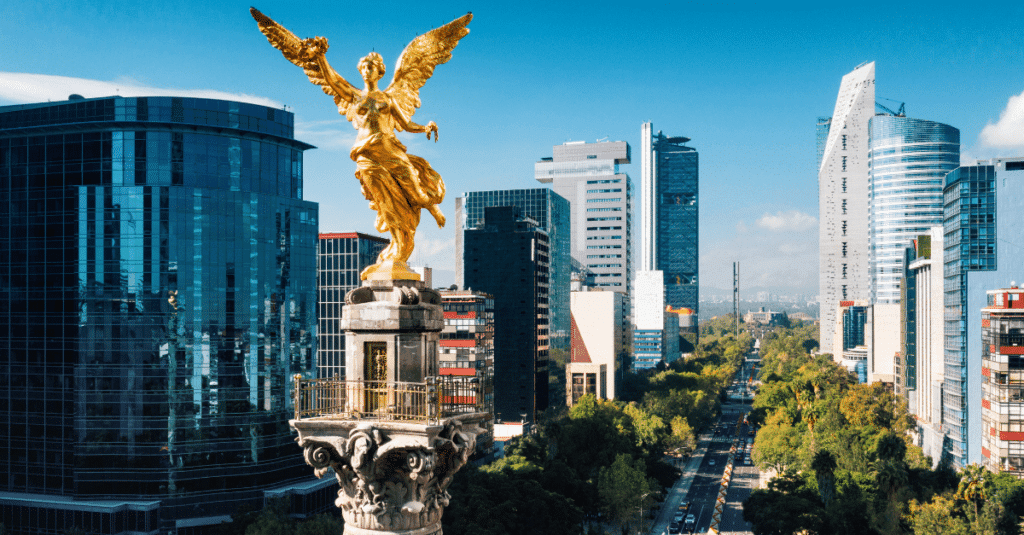
- Typical rent: $700–$1,400 for a 1-bedroom
- Key areas: Polanco, Roma, Condesa, Playa del Carmen
- Best for: Digital nomads, professionals, and expats prioritizing lifestyle, dining, and social scenes
Despite higher rents, these locations still undercut equivalent US cities by a wide margin.
Mid-Range: Guadalajara & Puerto Vallarta
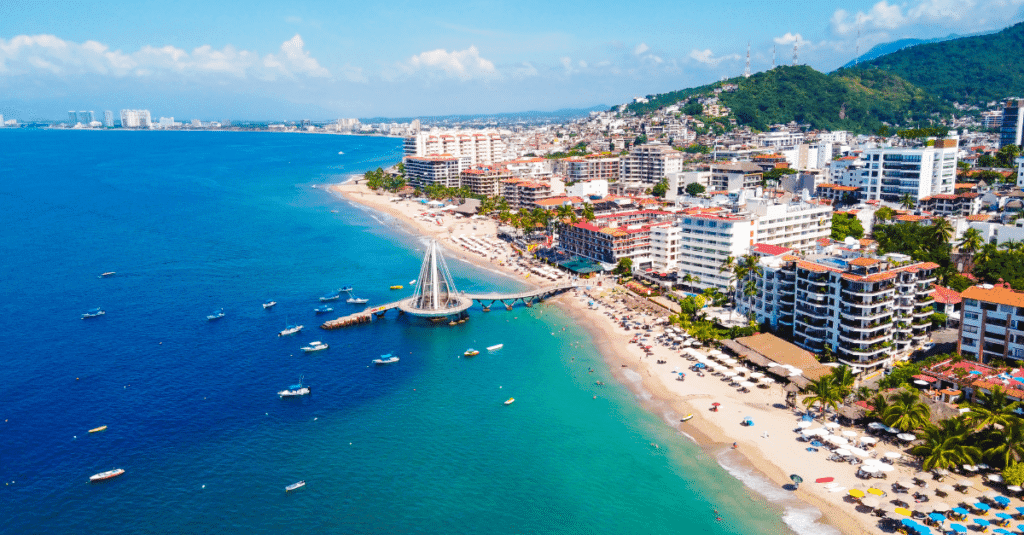
Mid-sized cities offer a balance between affordability and amenities. While it may not be as accessible as Mexico City, Guadalajara isn’t far behind. It provides strong healthcare, universities, and tech jobs, while Puerto Vallarta blends beach access with urban services.
- Typical rent: $500–$900 for modern, well-located units
- Key areas: Providencia (Guadalajara), Zona Romántica outskirts (Puerto Vallarta)
- Best for: Long-term expats, remote workers, and couples seeking comfort without capital-city prices
These cities deliver strong value in Mexico.
Budget-Friendly: Mérida, Oaxaca & Querétaro
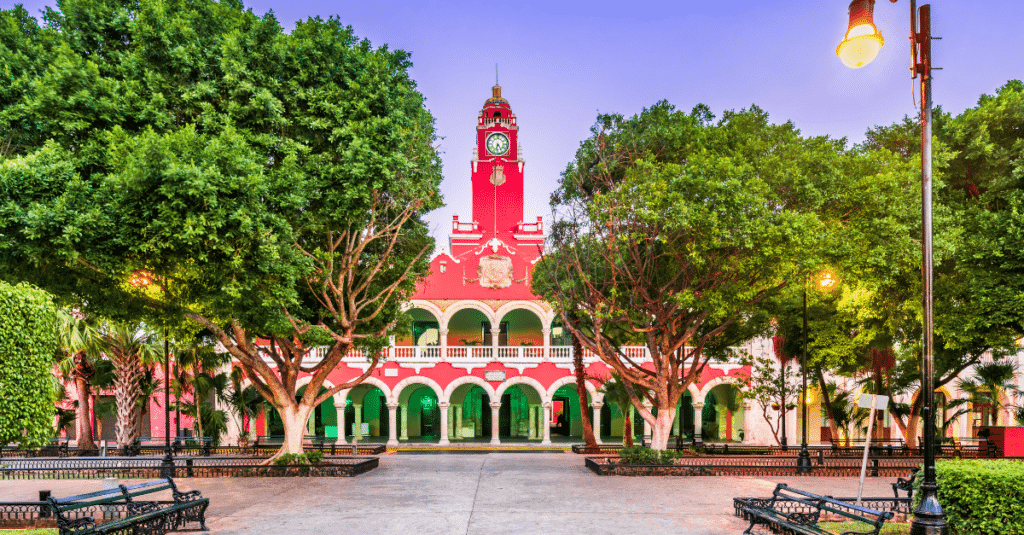
Smaller cities consistently rank among the most affordable places to live in Mexico. Rents are lower, safety levels are high, and day-to-day costs remain manageable without sacrificing culture or healthcare access.
- Typical rent: $350–$600 for a 1-bedroom apartment
- Key areas: Centro Histórico districts, residential suburbs
- Best for: Retirees, slow travelers, and cost-conscious expats
For those asking whether relocation can be both comfortable and affordable, these cities define the lower end of the average rent in Mexico while maintaining a high quality of life.
Food Prices in Mexico: Groceries & Dining Out
Aside from rent, food is one of the clearest advantages when evaluating living expenses in Mexico. Monthly grocery spending typically ranges from $150–$300 for a single person and $250–$500 for a couple. Prices depend on diet and shopping habits. Local staples are extremely affordable, especially when purchased at neighborhood markets rather than import-focused supermarkets.
Grocery Prices in Mexico
Mexico’s strong domestic agriculture means everyday essentials remain inexpensive. Staples like tortillas ($0.60/kg), eggs ($2–3 per dozen), and seasonal fruits and vegetables cost a fraction of US prices. Imported US brands often match or exceed American pricing because of import duties and logistics costs, which can inflate overall food prices in Mexico if relied on heavily.
Grocery price anchors (2026):
- Milk (1 liter): $0.90–$1.20
- Avocados: $0.30–$0.70 each
- Chicken breast (1 kg): $4.50–$6.00
Dining Out in Mexico
Dining out is where Mexico truly shines. Street food is both safe and widely consumed, with tacos costing $0.50–$1.50 each. A casual meal at a local restaurant averages $6–$10. A mid-range three-course dinner for two costs $25–$40, including drinks. Compared to US dining costs, this is dramatically lower.
Pro Tip: Shop Like a Local
To maximize savings, shop at local mercados (daily farmers markets) and tianguis (weekly street markets). These offer produce prices 30%–50% lower than supermarkets, fresher ingredients, and a better variety. Expats who adopt this habit often reduce food spending without compromising quality.
Grocery & Dining Cost Comparison (2026)
| Category | Mexico | United States |
| Monthly groceries (single) | $150–$300 | $400–$500 |
| Monthly groceries (couple) | $250–$500 | $700–$900 |
| Street tacos (each) | $0.50–$1.50 | $4–$6 |
| Mid-range dinner for two | $25–$40 | $70–$100 |
| Milk (1 liter) | $0.90–$1.20 | $1.10–$1.50 |
| Chicken breast (1 kg) | $4.50–$6.00 | $9–$12 |
For expats comparing Mexico’s cost of living vs the US, food alone often delivers savings of 50% or more, making daily life both affordable and enjoyable.
Healthcare in Mexico for Expats
Healthcare is one of the strongest financial advantages when evaluating the cost of living in Mexico. Healthcare expenses are 75%–85% lower than in the United States, while quality remains high. This is especially the case in private hospitals and clinics across major cities and expat hubs. Many doctors are US-trained, facilities are modern, and wait times are minimal.
Private healthcare is the preferred option for most expats. A standard private doctor visit costs $25 to $50, much lower than the $150 to $250 you can expect to pay in the US. Comprehensive private health insurance typically ranges from $50–$150 per month. Similar plans in the US often cost $400–$800 per month.
Expats also have access to Mexico’s public healthcare system, IMSS, through voluntary enrollment. Annual IMSS contributions range from $350 to $500 annually. This covers doctor visits, hospital stays, surgeries, and prescription medications. While wait times can be longer than in private facilities, IMSS provides strong value for retirees and long-term residents seeking predictable healthcare costs.
Access to IMSS and long-term private coverage often depends on your residency status, making immigration planning a key part of healthcare access in Mexico.
Mexico vs. US Healthcare Cost Comparison (2026)
| Healthcare Category | Mexico | United States | % Savings |
| Private doctor visit | $25–$50 | $150–$250 | 70–85% |
| Specialist visit | $40–$80 | $250–$400 | 75%+ |
| Private health insurance (monthly) | $50–$150 | $400–$800 | 70–85% |
| Public healthcare (annual) | $350–$500 (IMSS) | N/A | — |
| Dental cleaning | $30–$50 | $120–$200 | 60–75% |
| Prescription medication | $5–$25 | $30–$100 | 50–80% |
| Emergency room visit | $100–$300 | $1,200–$3,000 | 80%+ |
| Hospital overnight stay | $150–$400 | $2,000+ | 80%+ |
Healthcare alone can justify relocation from the US to Mexico. Lower costs, fast access, and high standards make Mexico one of the most attractive healthcare destinations globally for retirees and digital nomads alike.
Average Salary and Affordable Places to Live in Mexico
The average Mexican salary sits between $800 and $1,000 USD per month (approximately 14,000–18,000 MXN net). While this is far lower than the US average of roughly $5,900, the cost of living in Mexico is 30%–70% cheaper. This allows locals to maintain a comfortable middle-class lifestyle.
Salaries rise sharply in specialized sectors. Tech, engineering, and finance professionals are highly sought after and often earn $2,000–$3,500 monthly. Remote workers paid in USD or GBP also benefit from exceptional purchasing power.
For expats and digital nomads, the equation is simple: lower local wages are offset by dramatically lower living expenses in Mexico, especially outside Mexico City. This makes regional cities increasingly attractive for long-term relocation.
Affordable Places to Live in Mexico (2026)
Mérida (Yucatán)
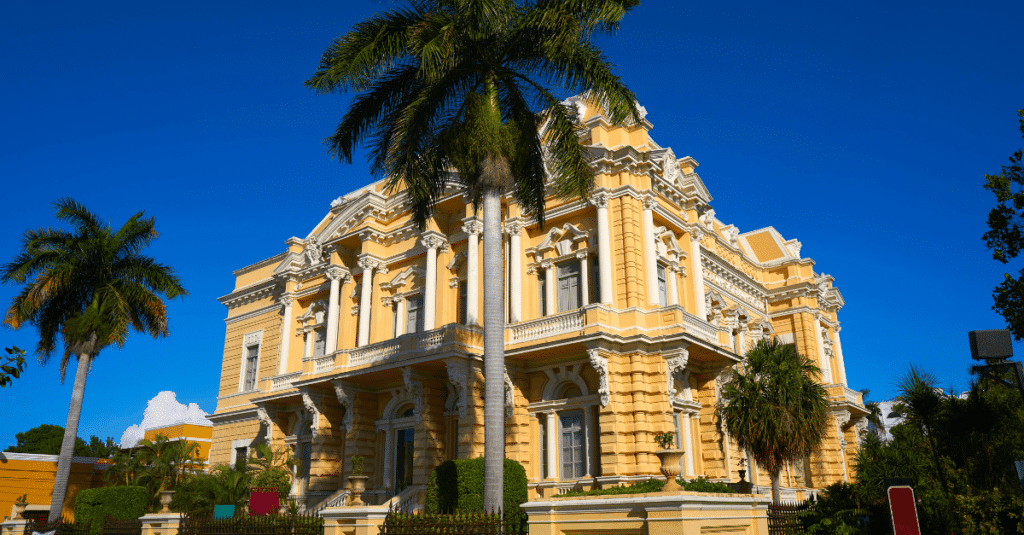
Mérida consistently ranks as the safest large city in Mexico. Expats can live comfortably on $1,200–$1,500 per month, including rent. The city blends colonial architecture, Mayan culture, and a strong expat network, making it ideal for retirees and remote workers seeking stability and affordability.
Querétaro (Querétaro)

Querétaro is a fast-growing industrial and tech hub with costs 25%–30% lower than Mexico City. Monthly budgets are similar to Mérida, averaging $1,300–$1,600. Choosing Querétaro means you will be supported by excellent infrastructure, a mild climate, and proximity to the capital.
Oaxaca (Oaxaca)
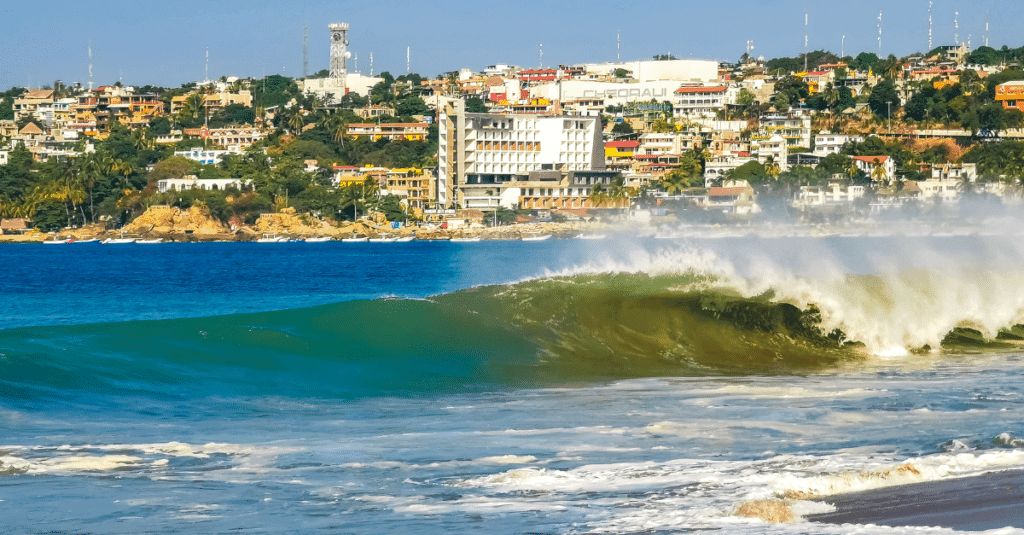
Oaxaca offers living costs 35%–40% lower than CDMX. The city is famous for its cuisine and indigenous heritage. Expats typically spend $1,200–$1,600 per month and choose this location to enjoy a slower pace of life and mountain climate.
Guanajuato (Guanajuato)
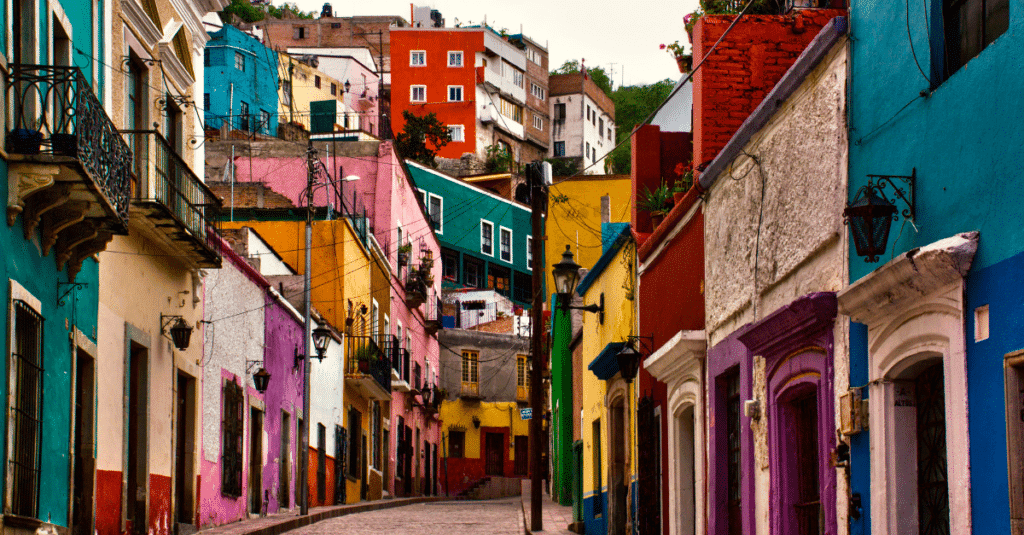
This colorful university city features housing costs 45% lower than those in Mexico City. Monthly budgets range from $1,200–$1,600. Guanajuato is an attractive destination for students, creatives, and culturally minded expats.
Puebla (Puebla)
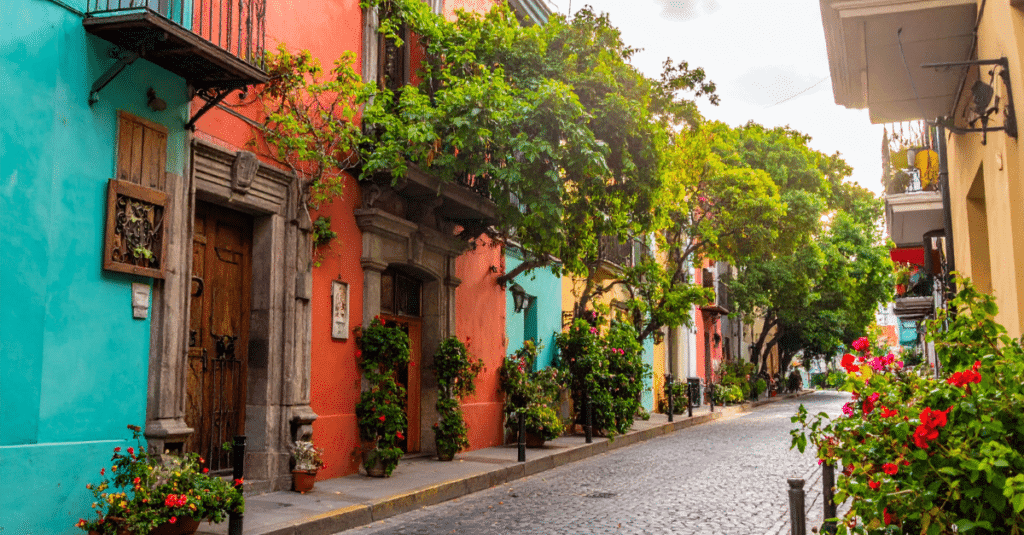
Located just two hours from CDMX, Puebla combines scale with affordability. Living costs are 30%–35% lower than in the capital, with typical monthly budgets of $1,300–$1,700. Its colonial center and strong food culture are major draws, as well as its accessibility to the capital.
Cost Comparison: Mexico vs UK vs US Cities (2026)
| City | Avg Monthly Budget (Single Person) | Rent (1-Bed Center) | Relative Cost Level |
| Mérida | $1,200–$1,500 | $400–$600 | Very Low |
| Querétaro | $1,300–$1,600 | $450–$650 | Low |
| Oaxaca | $1,200–$1,600 | $400–$600 | Very Low |
| Puebla | $1,300–$1,700 | $450–$700 | Low |
| Mexico City | $1,600–$2,200 | $700–$1,400 | Medium |
| Manchester (UK) | $2,200–$2,600 | $1,000–$1,300 | High |
| London (UK) | $3,200–$3,800 | $1,800–$2,400 | Very High |
| Austin (US) | $3,000–$3,500 | $1,600–$2,000 | Very High |
| New York City (US) | $4,000–$4,800 | $2,500–$3,200 | Extreme |
Regional Mexican cities deliver one of the strongest value propositions globally. Even on modest incomes, residents can access quality housing, healthcare, and lifestyle benefits that would typically require a six-figure salary in the US or UK.
Need Support Moving to Mexico?
In 2026, the cost of living in Mexico continues to stand out globally. While local wages remain modest, overall living expenses in Mexico are 30%–70% lower than in the United States, allowing expats to enjoy a high quality of life on a far smaller budget.
Whether you’re drawn to vibrant urban life in Mexico City, colonial charm in Mérida, or cultural depth in Oaxaca, strategic location choices make long-term living both sustainable and comfortable. For retirees, remote workers, and internationally mobile professionals, Mexico remains one of the most compelling value destinations in 2026.
Thinking about making the move? Speak with a Mexican immigration professional to map out the right legal pathway and ensure your relocation to Mexico is secure, compliant, and stress-free. Fill out the form below, and a member of Lexidy’s immigration team will be in touch.